INTRODUCTION
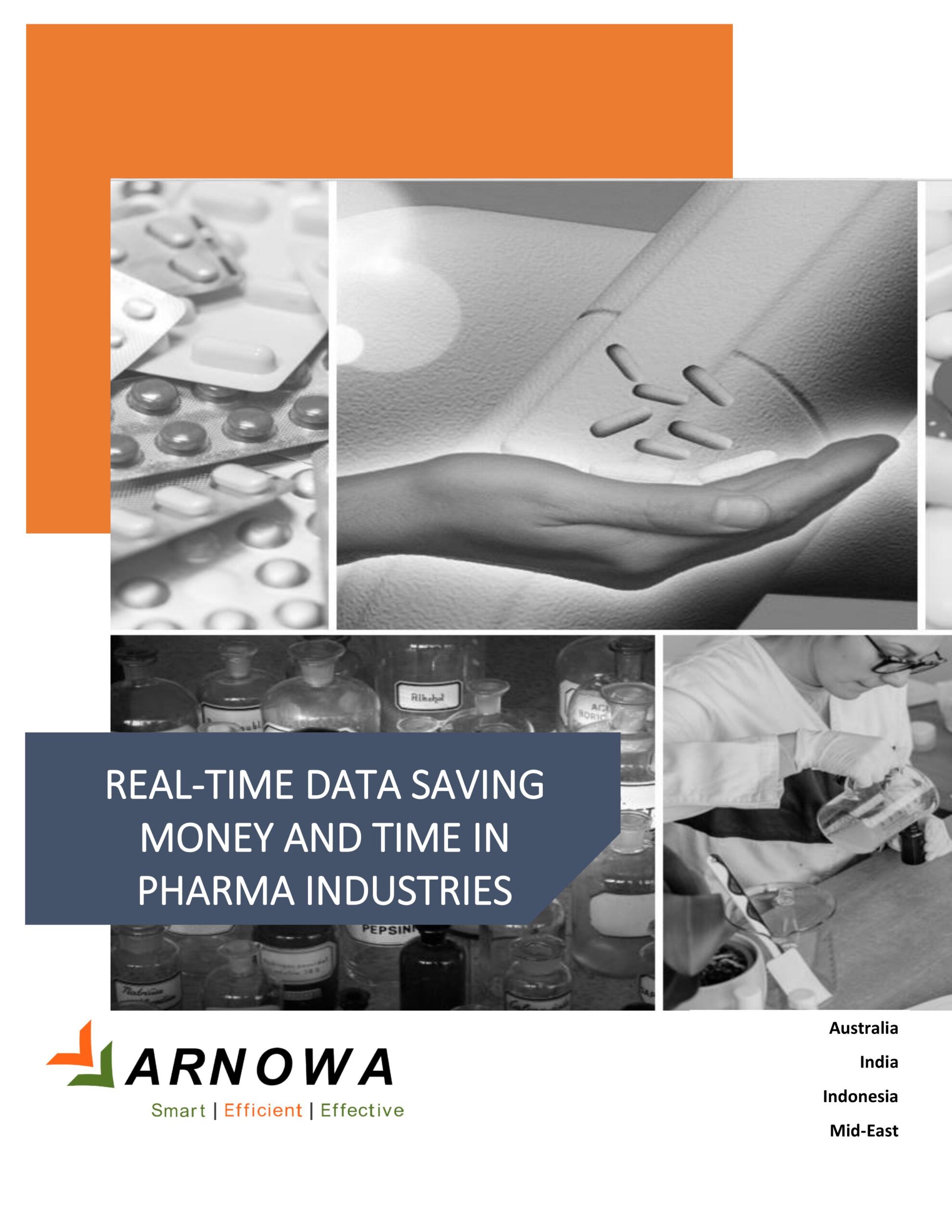
Pharmaceutical industries rely on experimental data for recognizing patterns, test theories, and understand the effectiveness of treatments. Data analytics is an evolution in a trend that has been ongoing for hundreds of years: that of human beings having ever better access to information and data. With data increasing exponentially and it getting more and more diverse, Life Science and Pharma organization face substantial challenges with data integration, data conversion, and data cleansing.
We are now in the age of “Big Data” – consisting of larger volumes, variety, and velocity of data than ever before. The capability to process and make sense of data through analytic technology brings a great opportunity for pharmaceutical companies and scientists, either by accelerating drug discovery or better understanding patient trends and behavior. Big Data is a boom for those companies looking to beat their potential. A pioneer pharma company estimates that effective big data approaches could generate up to $100 billion annually in the US healthcare system alone[2]. But to harvest the benefits, an innovative way of looking at data is required.